
Frequently Asked Questions
The North Island draws millions of visitors each year to its volcanic landscapes, Maori cultural centers, black sand beaches, and iconic film locations. Below are answers to common questions about planning your North Island trip.
What are the must-visit natural landmarks on New Zealand's North Island?
Tongariro National Park ranks as one of the most important natural landmarks on the North Island. The park features three active volcanoes and offers the famous Tongariro Alpine Crossing, a 19.4-kilometer hiking trail that takes you past volcanic craters and emerald lakes.
Mount Maunganui provides both a beach experience and a hiking opportunity. You can climb to the summit of this extinct volcanic cone for views of the Bay of Plenty.
The Waitomo Caves showcase millions of glowworms in an underground cave system. You can only visit these caves on a guided tour that takes you through the Cathedral Cave and along underground rivers.
Cape Reinga marks the northernmost point of New Zealand where the Tasman Sea meets the Pacific Ocean. Ninety Mile Beach stretches along the coast, and you can actually drive along this beach.
Which cultural sites in North Island should not be missed by tourists?
The Hobbiton Movie Set in Matamata offers a complete recreation of The Shire from the Lord of the Rings films. The site includes 44 Hobbit holes, the Mill, and the Green Dragon Inn.
Rotorua serves as a center for Maori culture with numerous cultural experiences and traditional performances. The city also features geothermal activity with hot springs and mud pools.
Te Papa museum in Wellington provides the most detailed look at Maori and colonial history that shaped New Zealand. The museum admission can be purchased in advance.
Weta Workshop and Cave near Wellington displays props and costumes from major film productions. Guided tours show you the special effects tools and technology used in movies like Lord of the Rings and Chronicles of Narnia.
What are the top-rated adventure activities available on North Island?
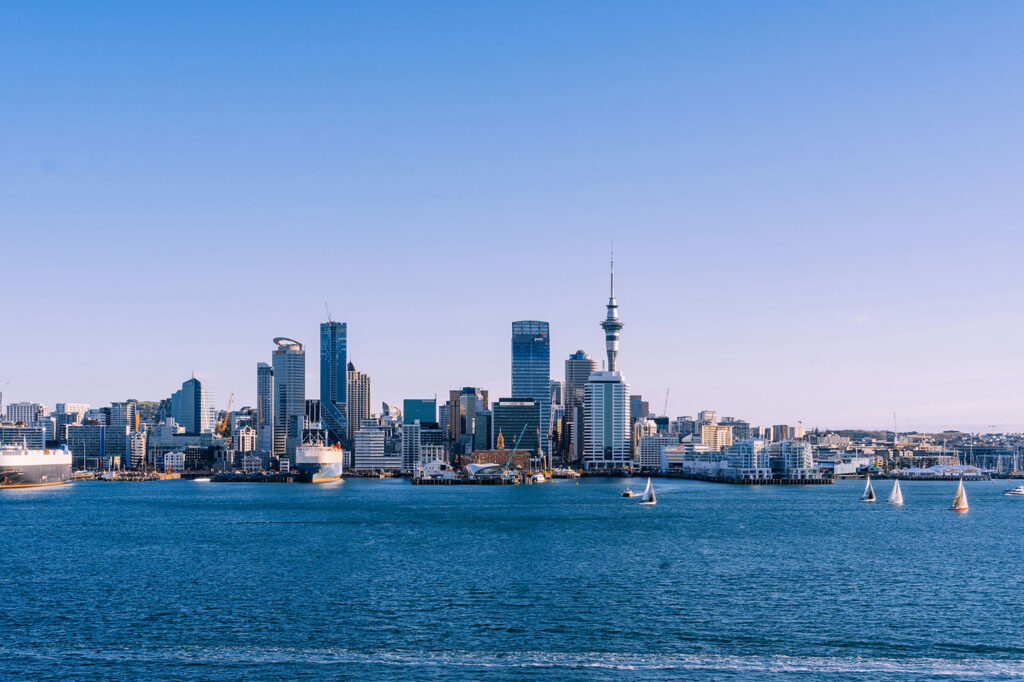
Auckland offers skydiving and bungy jumping for thrill-seekers. The city sits on the Waitematā Harbour, making it a popular spot for water sports and sailing.
Raglan attracts surfers from around the world with its consistent waves. The town has become known as one of New Zealand's best surfing destinations.
The Whanganui National Park lets you explore the Whanganui River by canoe or kayak. Hiking trails wind through native forest in this protected area.
Mount Eden in Auckland provides an easy volcano hike just 20 minutes from the city center. The loop trail is 2 kilometers long and takes about 40 minutes to complete.
Could you recommend family-friendly attractions on North Island?
Hobbiton works well for families with children of all ages. Kids under 8 get free admission, and the tour includes a drink at the Green Dragon Inn.
The beaches at Mount Maunganui and Tauranga offer safe swimming and calm waters. These coastal towns have playgrounds and cafes along the waterfront.
Auckland's Sky Tower stands 328 meters tall with observation decks that provide views across the city. Pre-booking tickets saves time in queues.
Zealandia eco-sanctuary in Wellington lets families see native birds and reptiles like the takahe, tui, and tuatara. Guided walking tours last two hours and teach visitors about conservation efforts.
What historical points of interest are located in North Island?
The Bay of Islands in Paihia holds significant historical importance as the site where the Treaty of Waitangi was signed in 1840. This treaty established British governance over New Zealand.
Wellington's waterfront features the Auckland Foreshore Heritage Walk, a 5-kilometer path that passes through historic wharves and residential neighborhoods. The Wellington Cable Car has operated for over 120 years.
Hawke's Bay contains historic buildings from the Art Deco period. The region rebuilt much of its architecture after a major earthquake in 1931.
Whangarei in Northland offers access to historic Maori pa sites and colonial-era buildings. The town serves as a gateway to the northern regions.
Where can one find the best examples of Maori culture on New Zealand's North Island?
Rotorua stands out as the primary destination for experiencing Maori culture. The city hosts traditional performances, hangi feasts, and visits to Maori villages where you can learn about customs and history.
The Bay of Islands area contains numerous Maori cultural sites and marae (meeting grounds). Guided tours in this region explain the historical significance of various locations to Maori tribes.
Te Papa museum in Wellington dedicates extensive exhibition space to Maori artifacts, art, and history. The museum presents both ancient traditions and contemporary Maori culture.
Auckland has a significant Maori population and offers cultural performances and workshops throughout the city. The Auckland Museum houses one of the largest collections of Maori artifacts in the country.